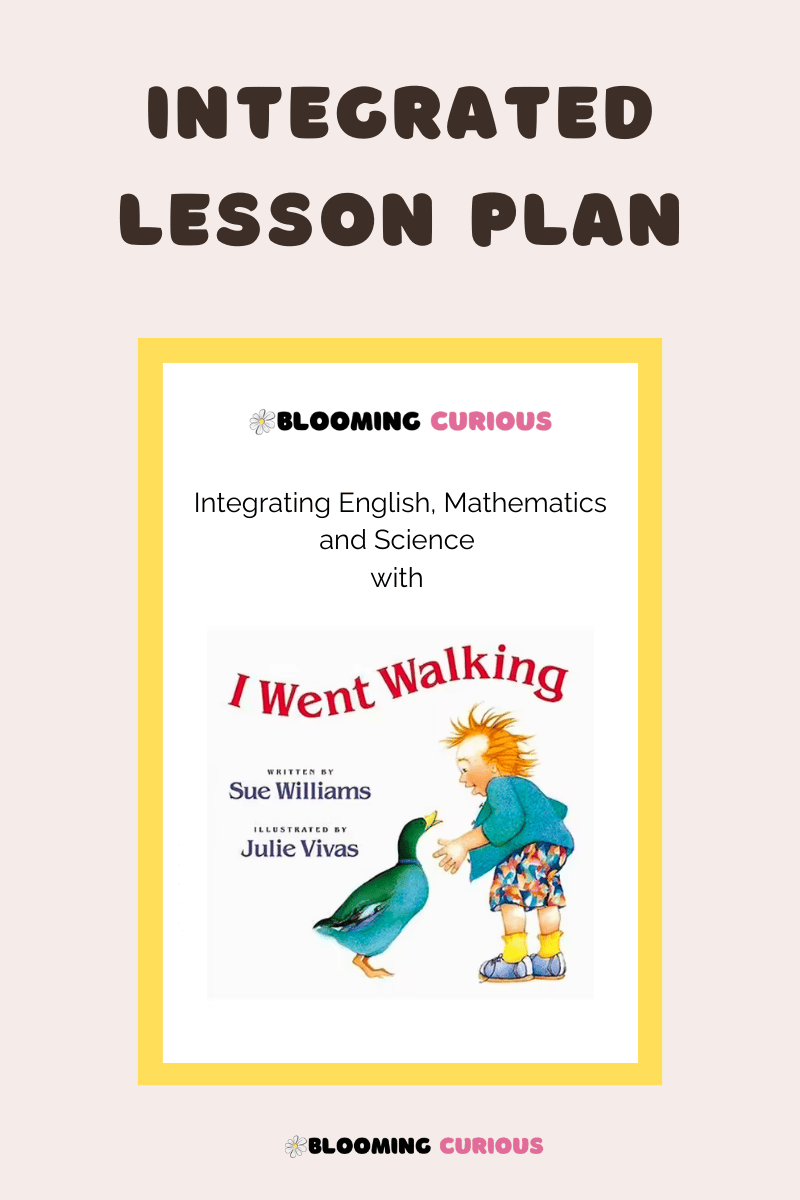
Integrated Learning Activities For I Went Walking by Sue Williams
A free K–2 learning sequence based on I Went Walking by Sue Williams — integrating English, Mathematics and Science through hands-on, curiosity-led activities for K–2.

A free K–2 learning sequence based on I Went Walking by Sue Williams — integrating English, Mathematics and Science through hands-on, curiosity-led activities for K–2.
This FREE learning experience is designed for active learning. It takes one simple picture book, and builds a full learning sequence around it — the kind that feels natural rather than forced.
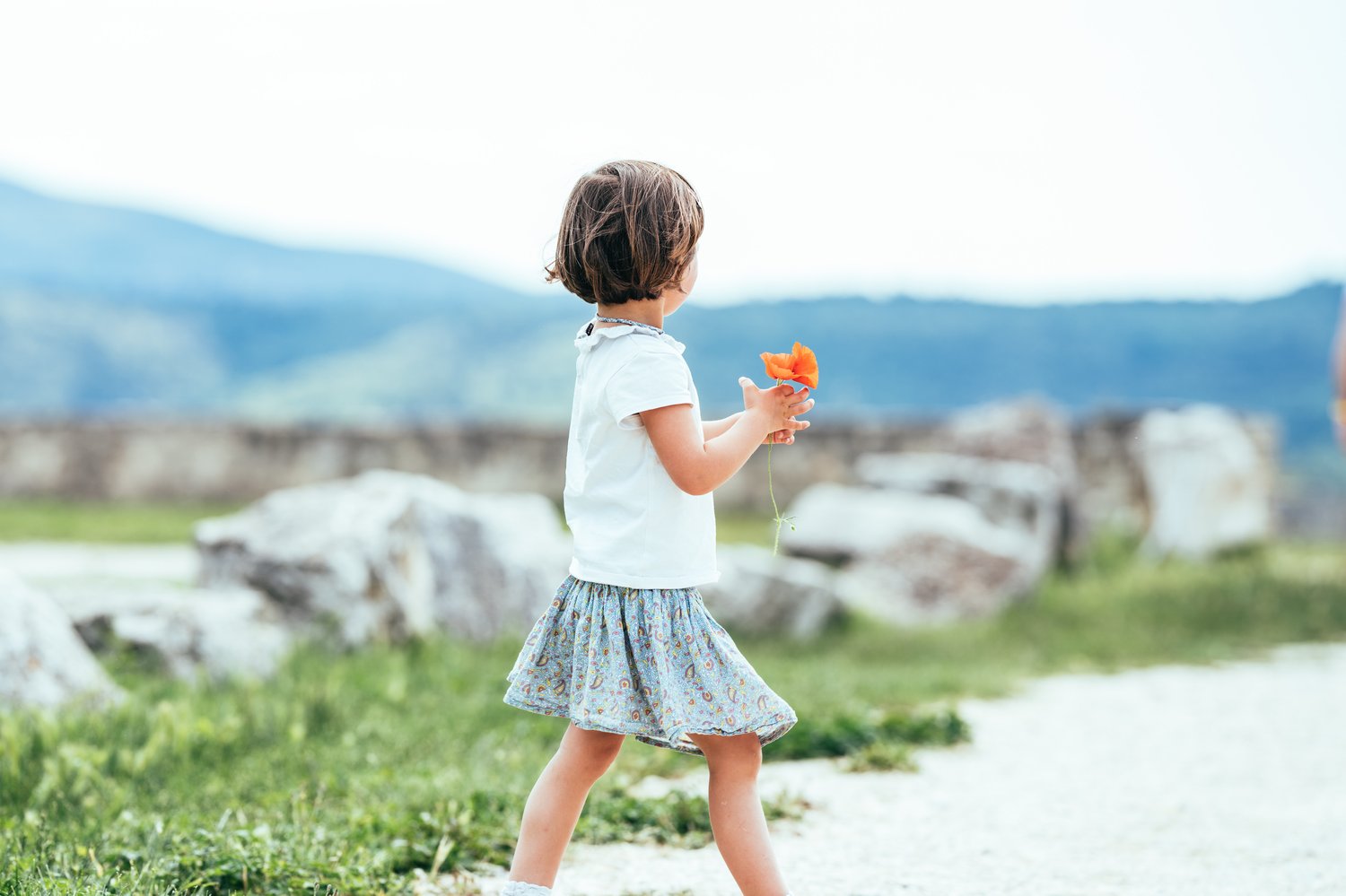
Children go on a real walk. They collect real things. They write, sort, count, observe and wonder.
No extra prep. Just one connected learning experience that works.

This is not a theoretical guide.
It’s a real example of an actual learning experience.
No fluff. Just practical, engaging hands-on learning activities that follow the reading of the picture book.
Discover how to effortlessly integrate English, mathematics and science without spending hours planning or scouring the internet for activities.
Bonus: The e-guide How to Nurture Natural Curiosity is automatically included in this download.
• A clear learning sequence that takes you from the first reading to the final activity
• Integrated actvities across English, Mathematics and Science — mapped to both the Australian Curriculum and the US Common Core if you need it.
• Open-ended inquiry questions to get children thinking and talking (not just completing).
• Differentiated writing pages for different learning stages — from beginning writers right through to confident Year 2 children.
• Practical notes on what to take on the walk, how to set up your learning environment afterwards, and how to extend the learning for those that are on a roll.
It's a PDF. Print what you need. Use it this week.

This learning sequence is intentionally designed to:
It's the philosophy behind everything I create at Blooming Curious. Children who are actively involved, making real connections and encouraged to notice and question — those are the children who stay curious.
This is for you if you're teaching children in K-2 at home or in a classroom. Or if you're curious about what integrated, inquiry-inspired learning actually looks like in practice — without the jargon.
It's also a good starting point if you've heard about inquiry learning but aren't quite sure how to make it work practically with young children.